Frequently asked questions
Turkey questions, answered
Booking & payment
1 – How do I pay, and in which currency?
By card on this site. Prices show in the currency you choose; the card itself is charged the equivalent in Indian rupees, which your bank converts. You get a receipt straight away, and a Turkey specialist then checks flights, hotels, transfers and the visa route before the trip is confirmed.
2 – Who is my booking with?
Your booking contract and payment are with Tratoli Management Private Limited, the Mumbai travel company behind this site. See the booking conditions page for cancellations and changes.
3 – Can you build a trip that isn't listed?
Yes. Send an enquiry or WhatsApp us with your dates, who is travelling and what you want to see — a honeymoon with cave-hotel nights, a slower family pace, the Black Sea — and we reply with a route and a price for your dates.
Visa & documents
1 – Do I need a visa for Turkey?
It depends on your nationality. Many passports are visa-free for a short stay, others need the online e-Visa, and some need a consulate visa. Enter your nationality on evisa.gov.tr to see your rule.
2 – How long does the Turkey e-Visa take?
Usually minutes after payment for eligible nationalities, but apply once your flights are fixed and at least a week or two ahead, so a typo or payment problem can be fixed calmly.
3 – Can Indians get a Turkey visa on arrival?
No. Indian passport holders need the conditional e-Visa (with a valid US, UK, Irish or Schengen visa or residence permit) or a sticker visa arranged before travel.
4 – Is the e-Visa single or multiple entry?
It depends on the passport. Check the entry type shown for your nationality before planning a day trip to Greece or Georgia, because leaving Turkey on a single-entry visa means you need a new one to come back.
5 – Do I need travel insurance to enter Turkey?
It is usually required for a consulate visa, and we recommend it for every traveller whatever their passport. Check the cover your visa route asks for.
Weather & when to go
1 – Which is the cheapest month to visit Turkey?
January to March and November are usually the lowest-priced months for hotels, outside the Christmas–New Year spike. The coast is off season then, so these months suit Istanbul and Cappadocia trips.
2 – Is Turkey too hot in May and June?
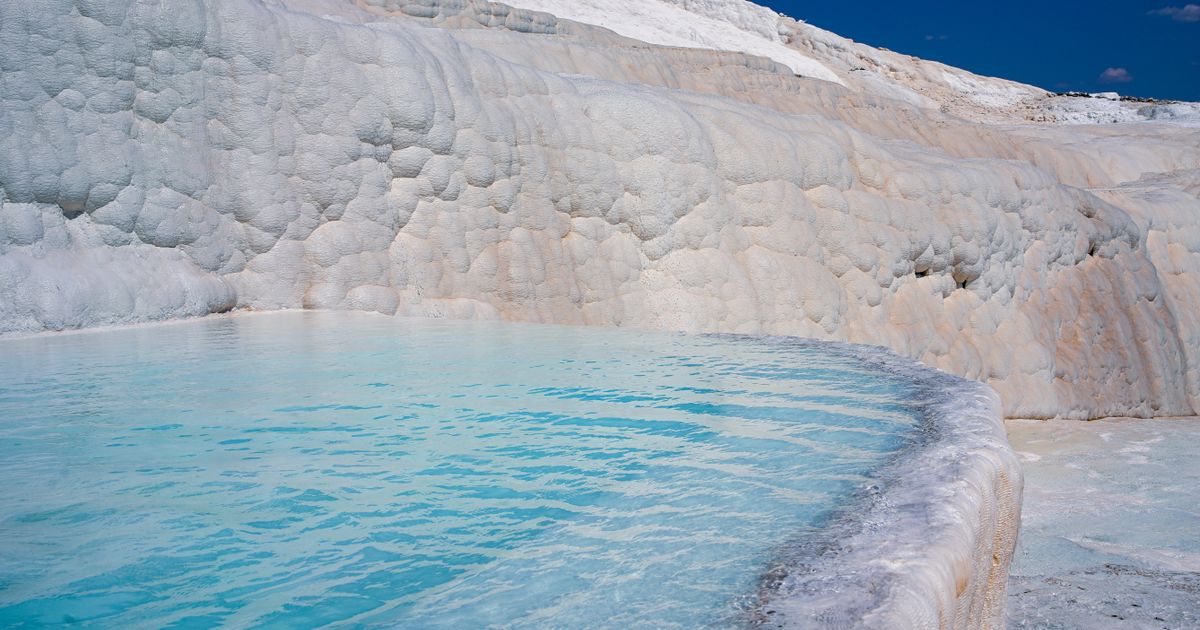
No. May and June are warm rather than scorching in most places, and the sea is swimmable by June. July and August are the hot months, particularly on the coast and at Pamukkale and Ephesus.
3 – Can I see snow in Turkey?
Yes. Cappadocia usually gets snow between December and February, and Istanbul sees occasional snowfall. Snow is never guaranteed on a particular date.
4 – When is the best time for the Cappadocia balloon ride?
April–June and September–October generally offer the most stable morning winds. Flights also operate in summer and winter, but always allow more than one morning in case of weather cancellations.
5 – Is Turkey good for an autumn half-term break?
Yes, especially for Istanbul and Cappadocia, which are mild and less crowded in late October and November. It is too late in the year for a reliable beach holiday.
Costs & budget
1 – Is Turkey an expensive destination?
It is mid-range. Shoulder and winter months are good value; July–August on the coast and the Christmas–New Year week are the expensive periods.
2 – Does the package price include the Cappadocia balloon?
Only if it says so. Many packages list the balloon as optional because its price changes with the season and demand. Check whether yours is included and what refund applies if weather cancels it.
3 – How can I reduce the cost of a Turkey trip?
Travel in April–May, late September–October or January–March, book flights early, keep hotel changes to a minimum and stay centrally in Istanbul.
4 – Are entry tickets to museums included in tours?
It varies. Some packages include them, others only include a guided visit outside. Ask, because entry fees for major sites are a noticeable extra.
5 – Are international flights included in the package price?
Only if you choose 'with flights'. You can also book land only and arrange your own flights; the price then starts from your arrival in Turkey.
Money & the lira
1 – Should I take euros, dollars or lira to Turkey?
Take a card for most spending and a modest amount of euros, US dollars or pounds in cash, then withdraw or change lira in Turkey. Lira bought before you leave home is often at a poor rate.
2 – Will my debit card work in Turkey?
Visa and Mastercard debit cards with international usage enabled generally work at shops and ATMs. Cards on domestic-only networks may not, so carry a backup.
3 – Is Turkey a cash or card country?
Both. Cards work almost everywhere in cities and resorts; keep some lira cash for small cafés, markets, tips, public toilets and village stops.
4 – Is tipping mandatory in Turkey?
No, but it is customary. About 5–10 per cent in restaurants without a service charge is normal; round up for taxis.
5 – Should I pay in my home currency or lira when my card is swiped?
Always lira. Choosing your home currency triggers dynamic currency conversion at a worse rate.
Food & vegetarian eating
1 – Is it easy to be vegetarian in Turkey?
Easier than many expect. Meze, olive-oil vegetable dishes, cheese pastries, salads and breakfast spreads are naturally vegetarian. The main caution is meat or chicken stock in soups, rice and stews.
2 – What does 'etsiz' mean?
'Etsiz' means 'without meat'. Pair it with 'vejetaryenim' (I am vegetarian) and ask specifically whether meat or chicken stock is used.
3 – Is Turkish lentil soup vegetarian?
Often, but not always. Some kitchens use meat or chicken stock. Ask 'et suyu var mı?' before ordering.
4 – Is Turkey good for vegans?
Workable with a few phrases. Olive-oil vegetable dishes, salads, bulgur and bean dishes are often vegan, but ask about butter, yoghurt and cheese, which appear in many breads, pastries and rice dishes.
5 – Is Turkish food spicy?
Mostly mild. Ask for 'acı' (hot) pepper flakes (pul biber), which are on many tables, or order ezme for a chilli kick.
Getting around
1 – What is the best way to travel from Istanbul to Cappadocia?
Fly from Istanbul to Kayseri or Nevşehir (around an hour and a half), then take a shuttle or transfer to your hotel. Buses take roughly ten to twelve hours.
2 – Should I book Turkish domestic flights early?
Yes for summer and holiday dates, when fares rise as flights fill. Compare baggage rules too: low-cost fares often exclude a checked bag.
3 – Can I drive in Turkey on my own licence?
Yes, for a limited period as a tourist. Carry an International Driving Permit as well; rental firms and police may ask for it.
4 – Is Uber available in Turkey?
In Istanbul the Uber app is used to book licensed taxis. Local apps such as BiTaksi also work. Availability is limited elsewhere.
5 – Is there a train to Cappadocia?
Not a practical one. There is no high-speed line to Cappadocia; fly to Kayseri or Nevşehir instead.
Still have a question?
A Turkey specialist answers on WhatsApp, Mon–Sat.