Turkey HolidayPackage · Türkiye
HomeHolidaysDestinationsTravel guideFAQContact
Prices in

Istanbul & the Marmara · City

Istanbul: a first-timer's guide

Two continents, one ferry ride apart.

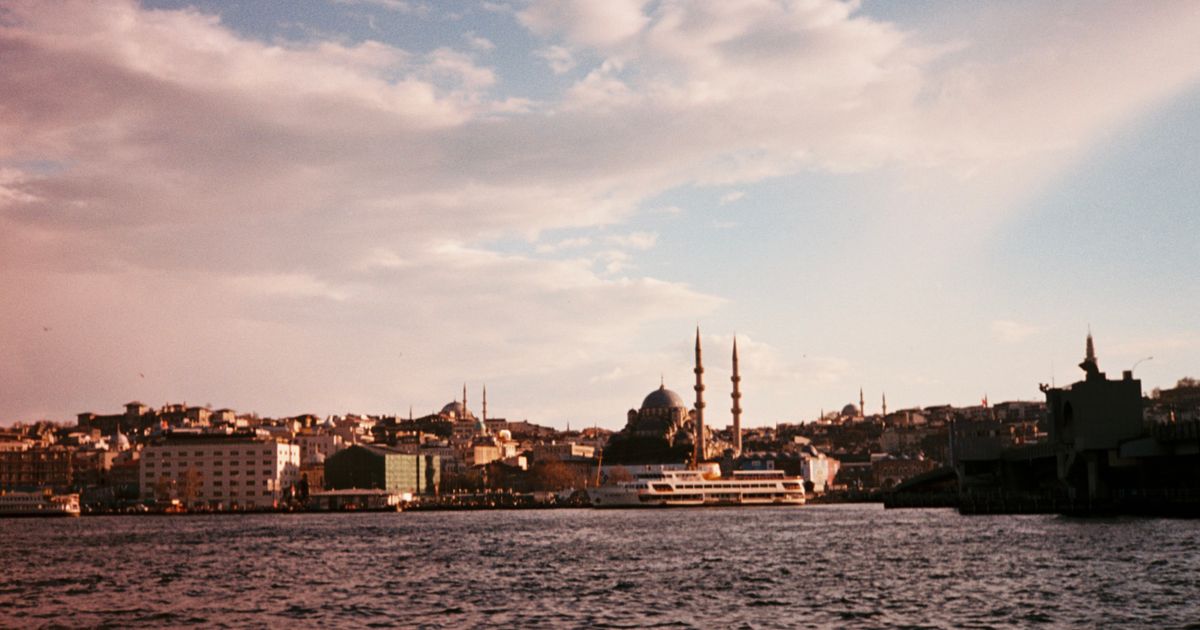
Istanbul is where almost every Turkey holiday begins, and most of them end here too. The city sits on both banks of the Bosphorus, the narrow strait that joins the Black Sea to the Sea of Marmara, with its historic European side facing a calmer, more residential Asian shore. Commuter ferries cross between the two all day for the price of a cup of tea, which makes the city's most memorable sightseeing trip also its cheapest one.

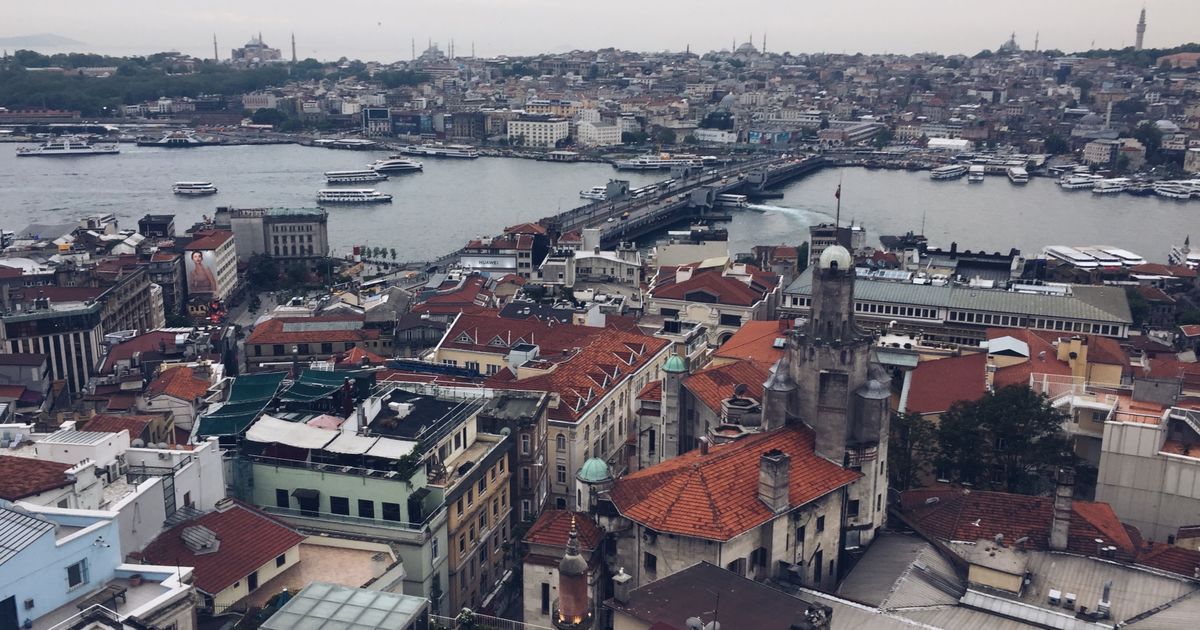
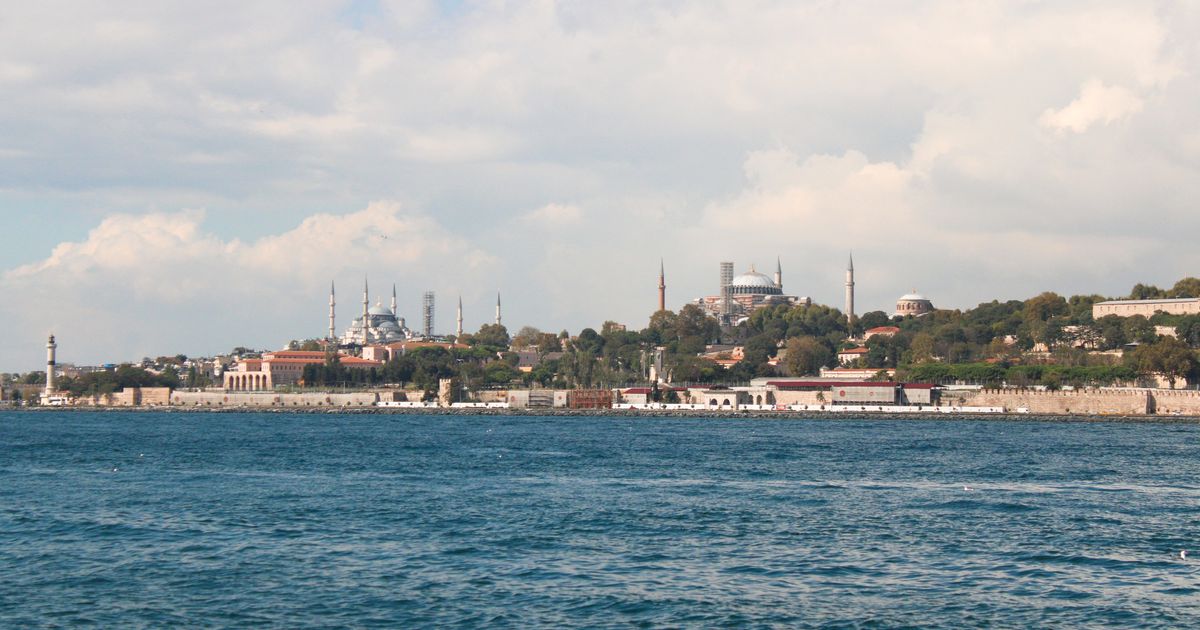
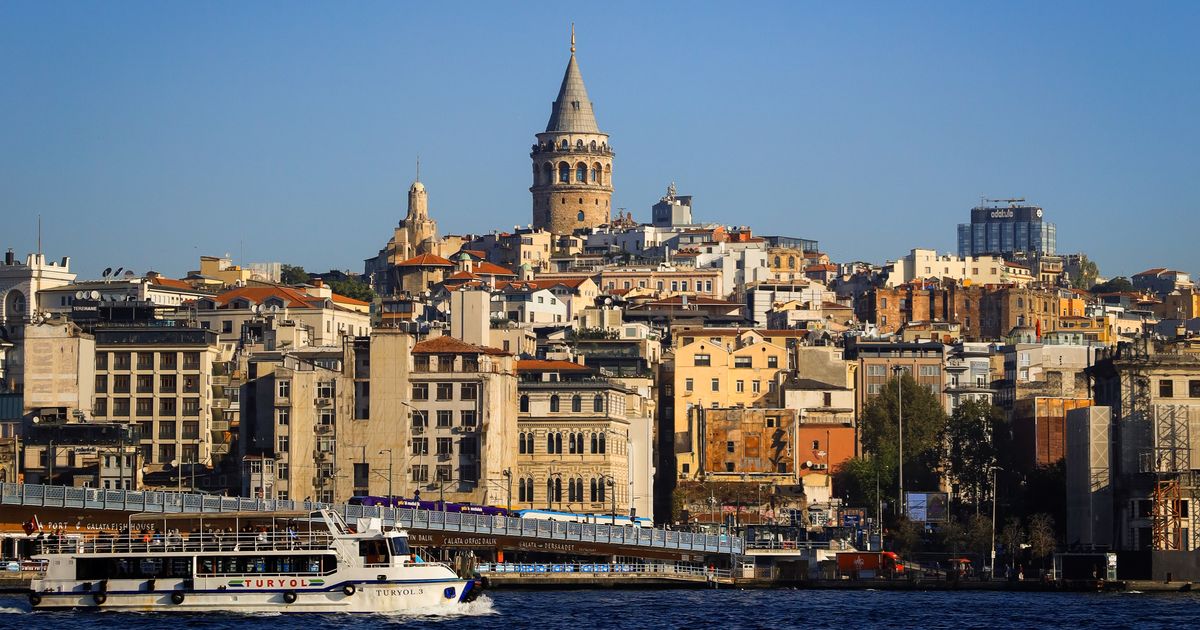
The monuments people fly in for are packed into one walkable district, Sultanahmet, on the old peninsula: Hagia Sophia, the Blue Mosque, Topkapı Palace and the Basilica Cistern are all within a ten-minute stroll of each other. Across the Golden Horn, Galata and Karaköy climb towards Beyoğlu, where the city feels younger, with cafés, galleries and the long pedestrian avenue of İstiklal. Up the strait, Ottoman palaces and wooden waterside mansions line both banks.

Give Istanbul three nights at the very least, and four if you can. The first two days go on the big sights and the bazaars; the third is for the water, whether a Bosphorus cruise or a ferry to Kadıköy on the Asian side. Traffic is the city's one real weakness, so plan each day around a single district and use the tram, metro and ferries rather than taxis. Families with young children find the pace easier with a hotel close to the tram line.
Things to do in Istanbul

1

Hagia Sophia

Built as a cathedral in the sixth century, then a mosque, then a museum, and a working mosque again since 2020. Foreign visitors now buy a ticket priced in euros, enter by a side door and follow a route through the upper gallery, which gives the best view of the dome. The building closes to sightseers at prayer times, so go early in the day and dress modestly.

2

The Blue Mosque and the Hippodrome

The Sultan Ahmed Mosque faces Hagia Sophia across a garden, its six minarets visible from the water and its interior lined with blue İznik tiles. Entry is free outside prayer times; shoes come off at the door and women cover their hair. Beside it, the old Byzantine Hippodrome is now a long square with an Egyptian obelisk at its centre.

3

Topkapı Palace

For four centuries the home and court of the Ottoman sultans: a sequence of courtyards, kiosks, the treasury with its jewelled dagger, and the Harem, set on the headland where the Golden Horn meets the Bosphorus. Allow half a day and arrive at opening time. The palace is closed on Tuesdays.

4

Basilica Cistern

A sixth-century underground reservoir held up by a forest of marble columns, two of them resting on carved Medusa heads. It reopened in 2022 after a five-year restoration that added a raised walkway just above the water and moody lighting. Cool on a hot afternoon and a favourite with children.

5

Grand Bazaar and Spice Bazaar

The Grand Bazaar is a covered maze of lanes selling carpets, lamps, leather, ceramics and jewellery, and it shuts on Sundays. The smaller Spice Bazaar beside the Galata Bridge is better for lokum, dried fruit, tea, nuts and saffron. Bargain politely in both, and compare a few shops before buying anything expensive.

6

A Bosphorus cruise

Boats run up the strait past Dolmabahçe Palace, wooden yalı mansions, the Rumeli fortress and the two great suspension bridges. A short sightseeing cruise takes about two hours; the public ferry to Anadolu Kavağı, near the Black Sea mouth, makes a full and very cheap day of it. Sunset cruises suit couples.

7

Galata and İstiklal Avenue

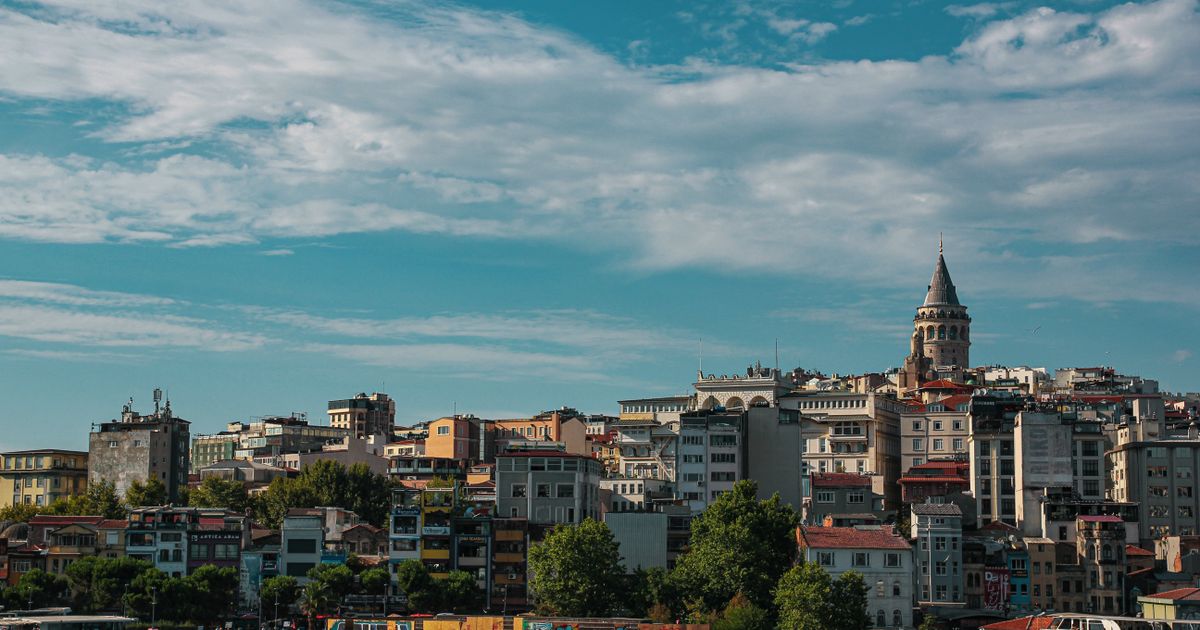
Walk up from Karaköy to the Galata Tower for the classic view over the old city, then along İstiklal Avenue, where the old red tram trundles between shops, churches, bookshops and dessert counters. Evenings here are lively and family-friendly, and this side of the Golden Horn is where Istanbul shops and eats out.

8

Kadıköy on the Asian side

A twenty-minute ferry from Eminönü or Karaköy takes you to the Asian shore, where Kadıköy's market streets are full of cheese shops, pickle sellers, bakeries and simple places for lunch. It is the easiest way to see everyday Istanbul, and the ferry itself, with gulls and tea, is half the pleasure.

Bookable now

Holidays with nights in Istanbul

Open one to change the dates, nights and hotels; the price updates as you go.

3–4 nights

A plan for Istanbul

  1. 1StepDay 1Arrive and check in. Late afternoon walk round Sultanahmet Square and the Hippodrome, then dinner with the floodlit Blue Mosque in view.
  2. 2StepDay 2Hagia Sophia at opening time, the Blue Mosque and the Basilica Cistern in the morning; Topkapı Palace after lunch (not on a Tuesday). Evening at leisure.
  3. 3StepDay 3Grand Bazaar (not on a Sunday), walk down to the Spice Bazaar, then a Bosphorus cruise from Eminönü. Evening on İstiklal Avenue and Galata.
  4. 4StepDay 4Ferry to Kadıköy for the market and a slow lunch on the Asian side, or a half day at Dolmabahçe Palace; fly on to Cappadocia or home.

Where to stay

Best areas to sleep

Sultanahmet

Walk to Hagia Sophia, the Blue Mosque and Topkapı before the tour groups arrive. Hotels are mostly small and characterful; evenings are quiet. Best for a first visit and for families who want everything close.

Sirkeci and Eminönü

Next door to Sultanahmet, on the tram line and beside the ferry piers, often at slightly lower prices. Handy for the Spice Bazaar and the Bosphorus boats.

Karaköy and Galata

Design hotels, cafés and waterfront restaurants, one tram stop across the Galata Bridge from the old city. A good balance of sightseeing and evenings out for couples.

Taksim and Şişli

Larger international hotels, shopping streets and the widest choice of international restaurants. Further from the monuments, but on the metro and funicular, and popular with families who want familiar food nearby.

Food, and eating vegetarian

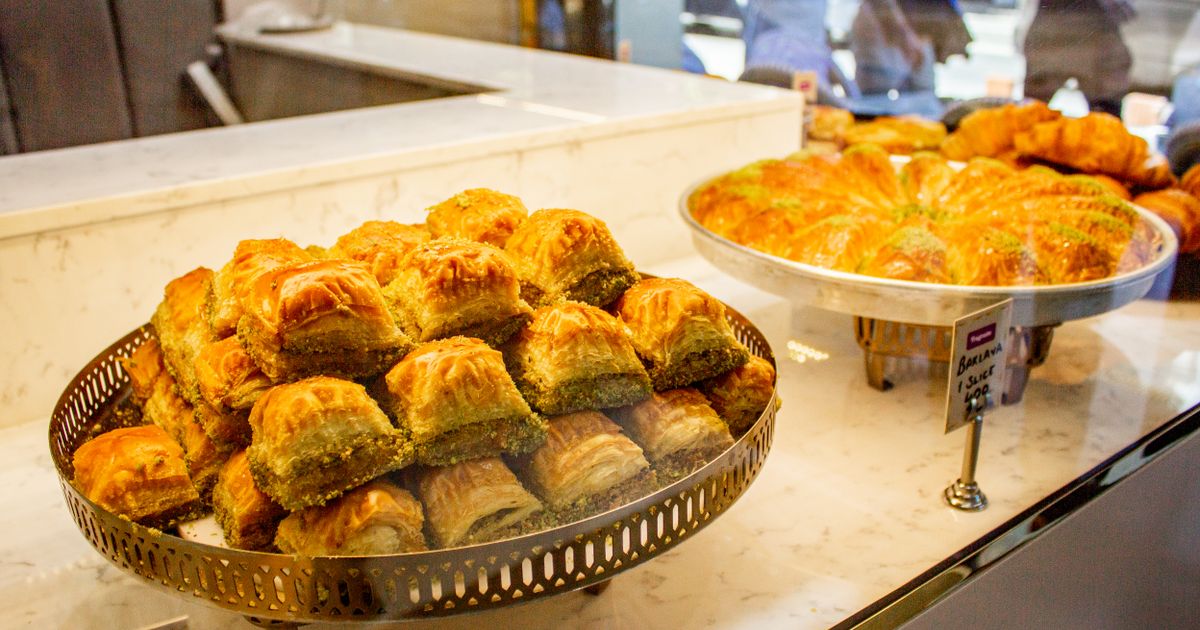
Istanbul eats well at every budget: simit bread rings from street carts, long Turkish breakfasts, balık ekmek fish sandwiches by the Galata Bridge, and baklava and künefe for dessert. Meat dominates the grills, but vegetarians manage comfortably. Lentil soup, vegetables stewed in olive oil, stuffed peppers and vine leaves, gözleme, pide with cheese, and meze of hummus, aubergine and yoghurt dips are on most menus. Ask whether soups and rice were cooked with meat stock, as they often are. Strict vegetarians, vegans and Jain travellers will find more choice in the international and Indian restaurants around Sultanahmet and Taksim.

Getting to Istanbul

Most international flights land at Istanbul Airport (IST), around 45–60 minutes by road from Sultanahmet depending on traffic; Sabiha Gökçen (SAW), on the Asian side, is further out. As Turkish Airlines' home base, IST has non-stop flights from most European capitals, the Gulf, and many cities in Asia, Africa and North America; Pegasus and other low-cost airlines mostly use SAW. Domestic flights connect Istanbul to Cappadocia, İzmir, Antalya, Bodrum and Denizli in roughly an hour to an hour and a half.

Good to know before you go

Visa rules depend on your passport: many nationalities enter visa-free, others apply for the official e-Visa online (evisa.gov.tr), and some need a consulate visa, so check early. Indian passport holders, for example, qualify for the e-Visa only with a valid US, UK, Schengen or Irish visa or residence permit. The Turkish lira is the currency: cards work almost everywhere, and bank ATMs are better than airport exchange desks for cash. Mosques require covered shoulders and knees, and a scarf for women. Istanbul is generally safe for families, but watch for pickpockets in crowds and agree taxi fares or insist on the meter. Pushchairs struggle on the cobbles and hills of the old city.

Questions

Istanbul: what people ask us

How many days in Istanbul are enough?

Three full days covers Sultanahmet, the bazaars and a Bosphorus cruise without rushing. Add a fourth for the Asian side or Dolmabahçe Palace. With fewer than two days you will see the monuments but miss the city.

Is Istanbul safe for families?

Yes, Istanbul is a large, well-policed city that welcomes families from all over the world. Use normal big-city care: watch bags in crowded trams and bazaars, use licensed taxis, and be wary of strangers who invite you to a bar or shop.

Can I fly direct to Istanbul?

From many places, yes. Istanbul Airport is Turkish Airlines' hub, with non-stop flights from most of Europe (around three to four hours from London), the Gulf, and major cities in Asia, Africa and North America. India has non-stop flights from Delhi and Mumbai. From elsewhere, a single connection in Europe or the Gulf is usual.

Do tourists have to pay to enter Hagia Sophia?

Yes. Since January 2024 foreign visitors pay an entrance fee set in euros and follow a separate route through the upper gallery. Muslims entering to pray can still do so free at prayer times.

Is vegetarian food easy to find in Istanbul?

Easier than many expect. Lentil soup, vegetable dishes in olive oil, gözleme, cheese pide and meze are everywhere. Check soups and rice for meat stock, and the international restaurants of Taksim and Sultanahmet cover vegans and stricter diets.

What is the best time to visit Istanbul?

April–May and September–October bring mild weather and fewer crowds. Summer is hot and humid but suits school holidays; winter is cold and rainy, with low hotel prices and quiet museums.