Turkey's seasons at a glance
Turkey is a large country with three climates that matter for a holiday. Istanbul and the Marmara region have warm, humid summers and cool, wet winters with occasional snow. Cappadocia sits on the high Anatolian plateau, so summers are hot by day and cool at night, while winters are properly cold with regular snow. The Mediterranean and Aegean coasts (Antalya, Fethiye, Bodrum, Kuşadası) have long, hot, dry summers and mild, rainy winters.
Spring (April–May) is green, fresh and ideal for walking-heavy sightseeing; Istanbul's tulip displays peak in April. Summer (June–August) is beach season, and July–August is the hottest and busiest stretch on the coast. Autumn (September–October) keeps the sea warm while temperatures inland become pleasant again. Winter (December–February) is low season: cheaper hotels, shorter days, snow in Cappadocia and a coast that largely goes to sleep.
Month-by-month guide
Use this table as a planning shortcut. 'Good' means comfortable for that region's main activities; 'Fair' means workable with trade-offs.
| Month | Istanbul | Cappadocia | Mediterranean coast | Planning notes |
|---|---|---|---|---|
| January | Fair: cold, wet | Fair: snow, more balloon cancellations | Off season | Winter break; good value |
| February | Fair: cold | Fair: snow | Off season | Quiet, low prices |
| March | Fair: cool, changeable | Fair: chilly mornings | Too cool for beach | Shoulder pricing starts; Easter in some years |
| April | Good: tulips | Good | Fair: sea still cool | Excellent sightseeing month |
| May | Good | Good: green valleys | Good: sea warming | Easter in some years; fine all round |
| June | Good: warm | Good | Good: beach season | Long days; book early |
| July | Fair: hot, crowded | Fair: hot afternoons | Hot, peak crowds | Highest coast prices |
| August | Fair: hot, crowded | Fair: hot afternoons | Hot, peak crowds | Highest coast prices |
| September | Good | Good | Good: warmest sea | Best all-round month |
| October | Good | Good: autumn colours | Good early, quieter late | Autumn half-term; Diwali in some years |
| November | Fair: cooler, rain | Fair: cold mornings | Mostly off season | Thanksgiving; Diwali in some years |
| December | Fair: cold, festive lights | Fair: snow likely | Off season | Christmas–New Year demand spikes |
Istanbul: when to go
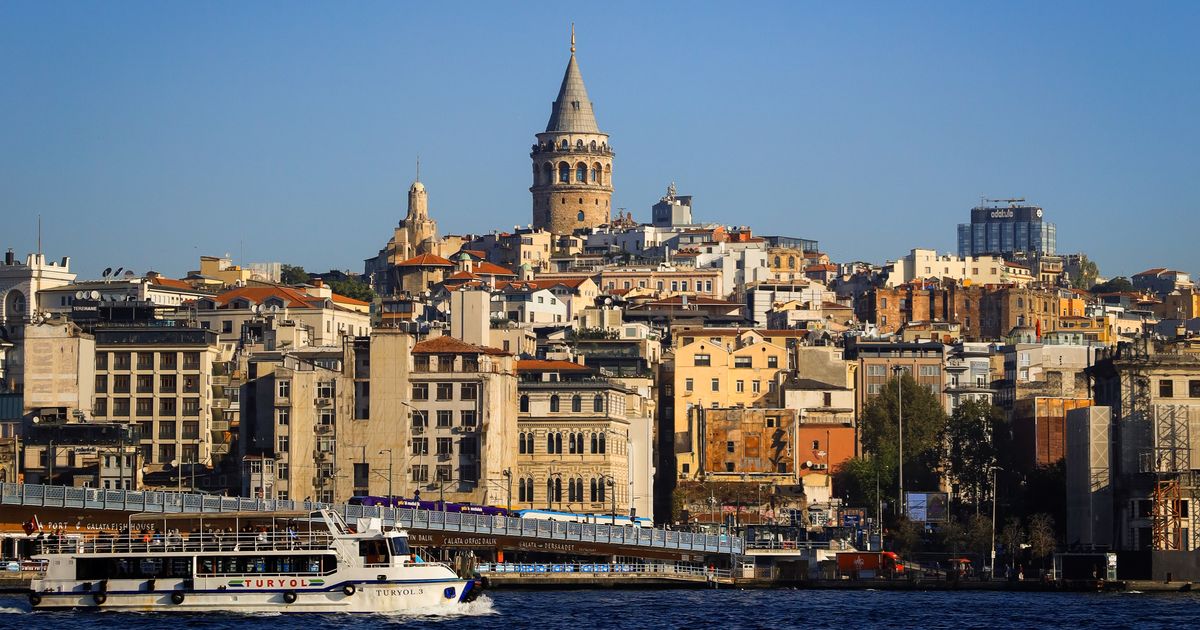
Istanbul works year round because most of what you come for, the mosques, palaces, bazaars and Bosphorus, is either indoors or close to it. The sweet spots are April–May and September–October, when walking all day across the old city is pleasant and Bosphorus cruises are comfortable on deck.
July and August are warm and humid, with long queues at Topkapı Palace and the Basilica Cistern; go early in the day and use the afternoons for a ferry ride. Winter is grey and damp with occasional snow, but it is also when hotels are cheapest and the city feels most local. If you are combining Istanbul with Cappadocia in winter, pack a proper jacket, gloves and waterproof shoes.
Cappadocia: balloons, snow and hiking
For Cappadocia, think in terms of the balloon. Flights depend on calm morning wind, and spring and autumn generally give the steadiest conditions, which is why April–June and September–October are the most popular months. Summer flights run too, but afternoons in the valleys are hot, so hike early.
Winter is the photographers' season: fairy chimneys under snow and balloons over a white landscape are spectacular. The trade-off is a higher chance of cancellations from wind or snow, freezing pre-dawn starts and some roads or trails that are harder going. If the balloon is the main reason for your trip, plan at least two, preferably three, mornings in Cappadocia whatever the month.
The Mediterranean and Aegean coast
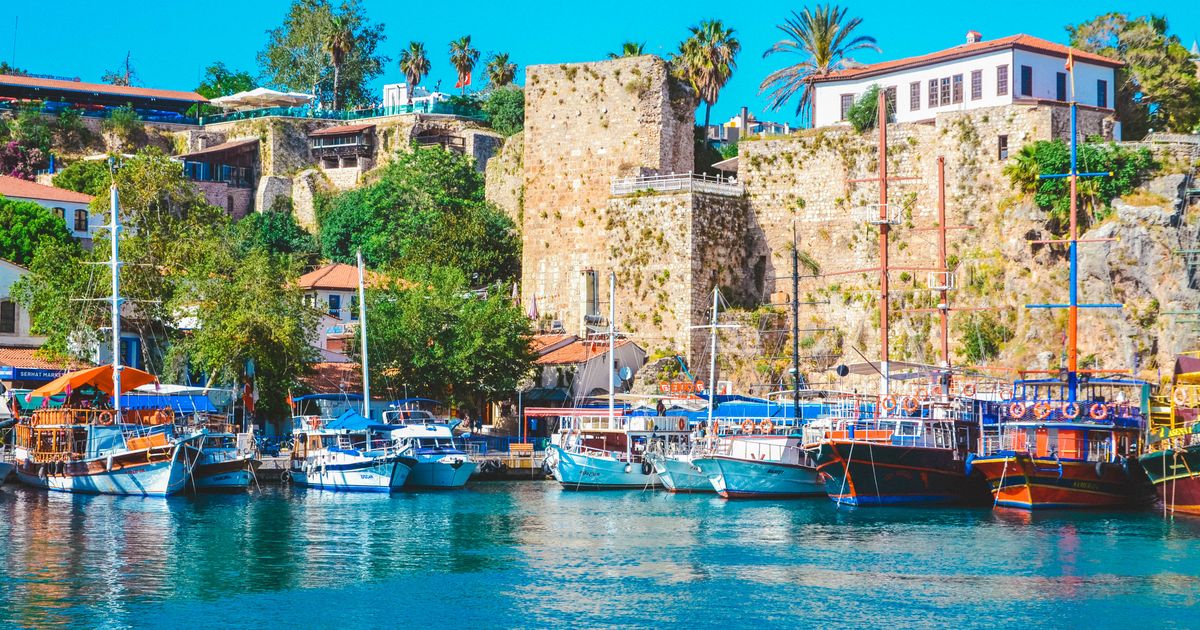
Beach holidays in Antalya, Side, Alanya, Kaş, Fethiye, Marmaris and Bodrum run roughly from May to October. The sea is coolest in May and warmest from August into September, which makes September a favourite: warm water, fewer families and lower prices than July and August.
Peak summer is very hot, especially in Antalya and around ancient sites such as Ephesus and Pamukkale, where there is little shade. Visit ruins first thing in the morning and keep the afternoon for the pool. From November to March, many beach resorts and seasonal hotels close and boat trips stop, though Antalya's old town and nearby historic sites remain open and pleasant in the mild winter.
Planning around school holidays and festivals
Families from Europe and North America mostly travel at Easter, in July–August and at October half-term; families from India and the Gulf often travel in May–June. Late May and June are the easiest window if you have the choice: every region is in good shape and the coast is warm without the August peak. Whatever your calendar, book flights early for school-holiday dates.
Autumn breaks (October half-term, Diwali or Thanksgiving, depending on where you live) are excellent timing for Istanbul and Cappadocia, with mild days and autumn colours, but by November the beach is out of season. Build an autumn trip around Istanbul plus Cappadocia, possibly with a day at Pamukkale or Ephesus.
Christmas–New Year is a short, high-demand window. Istanbul is festive and Cappadocia may be snowy, but prices rise sharply for those few nights, so lock in hotels and balloon slots well ahead. Also check Islamic holiday dates for your year: during Ramadan most sights stay open, and the Eid holidays that follow bring busy domestic travel and fuller hotels.
Questions
Which is the cheapest month to visit Turkey?
January to March and November are usually the lowest-priced months for hotels, outside the Christmas–New Year spike. The coast is off season then, so these months suit Istanbul and Cappadocia trips.
Is Turkey too hot in May and June?
No. May and June are warm rather than scorching in most places, and the sea is swimmable by June. July and August are the hot months, particularly on the coast and at Pamukkale and Ephesus.
Can I see snow in Turkey?
Yes. Cappadocia usually gets snow between December and February, and Istanbul sees occasional snowfall. Snow is never guaranteed on a particular date.
When is the best time for the Cappadocia balloon ride?
April–June and September–October generally offer the most stable morning winds. Flights also operate in summer and winter, but always allow more than one morning in case of weather cancellations.
Is Turkey good for an autumn half-term break?
Yes, especially for Istanbul and Cappadocia, which are mild and less crowded in late October and November. It is too late in the year for a reliable beach holiday.
Rather have us sort it?
Our Turkey holidays include flights, hotels, transfers and help with the visa, priced before you pay.