Turkey HolidayPackage · Türkiye
HomeHolidaysDestinationsTravel guideFAQContact
Prices in

Central Anatolia · City

Konya: the city of Rumi and the whirling dervishes

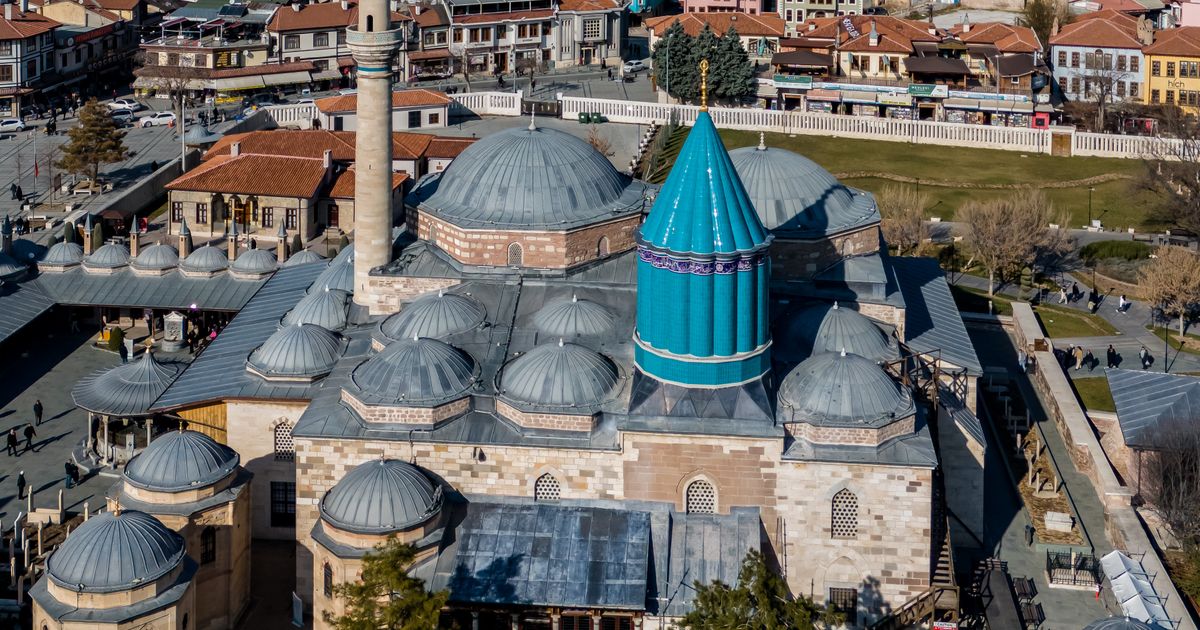
A green-tiled dome over Rumi's tomb, and the slow turning of the sema ceremony.

Konya is where the 13th-century poet and mystic Jalaluddin Rumi — Mevlana to Turks — spent most of his life, taught and is buried. His verses on love and longing are read all over the world, from Persian and Urdu readers to bestselling English translations, and set to Sufi music. The green-tiled dome above his tomb is the city's symbol, and the order founded by his followers gave the world the whirling dervishes.

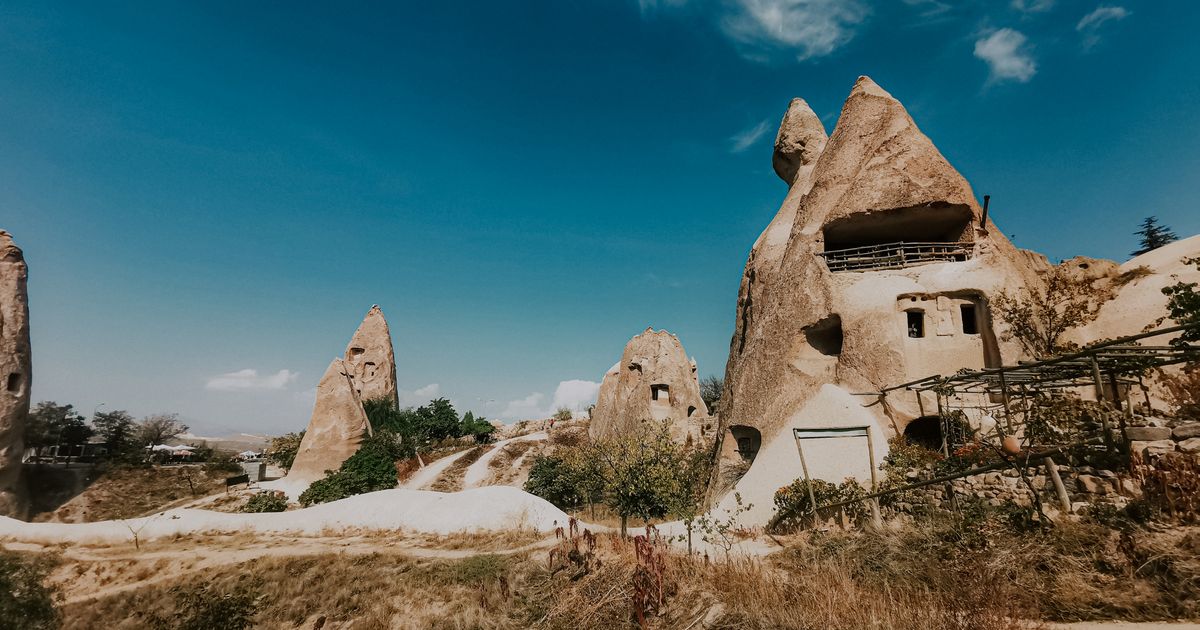
The city was also the capital of the Seljuk Turks, and its mosques, madrasas and tiled interiors are among the finest of that era. It is a conservative, religious city, calmer and less touristic than the coast. Konya lies on the high plateau between Antalya and Cappadocia, and is linked to Ankara and Istanbul by high-speed train, so it slots naturally into a central Anatolian route between the coast and the fairy chimneys.
Things to do in Konya

1

Mevlana Museum and Rumi's tomb

The former dervish lodge, crowned by its fluted turquoise dome, holds Rumi's tomb under a richly embroidered cover, alongside those of his father and followers. Rooms around the courtyard display old manuscripts, musical instruments and the dervishes' cells. It is a place of pilgrimage, so dress modestly and expect it to be busy and emotional for many visitors.

2

A sema (whirling dervish) ceremony

The sema is a religious ceremony, not a show: dervishes in white skirts turn slowly to the music of the reed flute, one hand raised to heaven and the other turned to earth. Regular performances are held at the Mevlana Cultural Centre; recent sources point to Saturday evenings, but days and ticketing change, so we confirm before you travel.

3

Şeb-i Arus in December

Rumi called his death his 'wedding night' with God, and each December Konya marks the anniversary with nightly sema ceremonies culminating on 17 December. Tickets sell out quickly and hotels fill; if you want to be there, plan months ahead.

4

Seljuk Konya: Karatay and İnce Minare

The Karatay Madrasa, now a tile museum, has a dome lined with turquoise and black tiles that shimmer like a night sky; the İnce Minare Madrasa nearby has a carved stone portal of astonishing detail and holds a stone- and wood-carving museum. Both sit beside Alaeddin Hill, the old citadel.

5

Sultanhanı caravanserai

On the road to Cappadocia, one of the largest and best-preserved Seljuk caravanserais: a fortified inn with a great carved gateway, a courtyard with a small raised mosque and a vast vaulted hall where traders' animals once sheltered. Allow about an hour as a stop on the drive.

Bookable now

Holidays that bring you close to Konya

Open one to change the dates, nights and hotels; the price updates as you go.

1 night

A plan for Konya

  1. 1StepDay 1Arrive by train from Ankara or by road from Antalya. Mevlana Museum in the afternoon, Karatay and İnce Minare nearby; sema ceremony in the evening if it falls on the right day.
  2. 2StepDay 2Early start for Cappadocia, stopping at Sultanhanı caravanserai, arriving in Göreme by mid-afternoon.

Where to stay

Best areas to sleep

Near the Mevlana Museum

Hotels within walking distance of the museum and the old centre, so you can visit early or return in the evening.

Food, and eating vegetarian

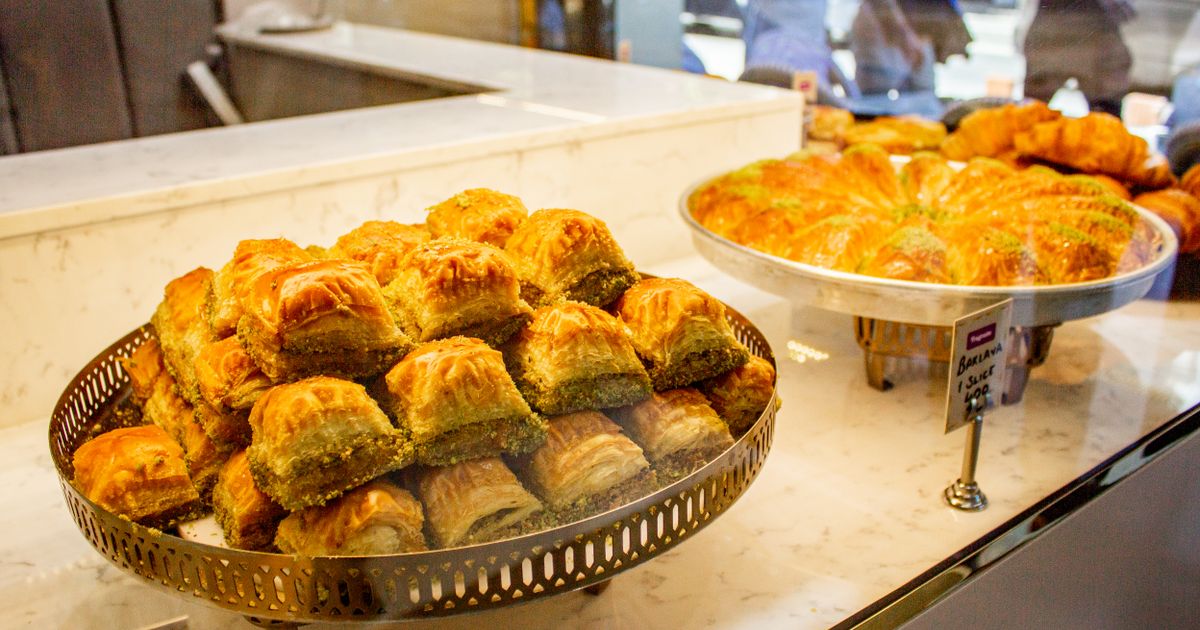
Konya's best-known dish is etli ekmek, a very long, thin flatbread topped with minced meat, and fırın kebabı, slow-oven-roasted lamb — both meat-heavy. Vegetarians should ask for peynirli pide (cheese flatbread), mercimek çorbası (lentil soup), bulgur pilaf and yoghurt dishes, which are easy to find. Konya is a conservative city and alcohol is less widely served than on the coast. Try the local sweet, a crisp pastry called sac arası.

Getting to Konya

The simplest route from Istanbul or Ankara is the high-speed train; from Ankara it takes about an hour and three quarters. Konya also has an airport with flights from Istanbul. From Antalya it is roughly four to five hours over the Taurus mountains, and from Konya to Cappadocia about three to four hours by road.

Good to know before you go

Konya is the most conservative stop on a typical Turkey route. Women should carry a scarf for the Mevlana Museum and mosques, and both men and women should cover shoulders and knees. Rumi's poetry has readers in every country, and many visitors find the museum unexpectedly moving. Vegetarian food is simple but available. Photography of the sema is often restricted during the ceremony itself.

Questions

Konya: what people ask us

Where can I see the whirling dervishes in Konya?

At the Mevlana Cultural Centre near the museum, which holds regular sema ceremonies, and in a nightly programme during the Şeb-i Arus festival in December. Days and tickets change, so we confirm before travel.

Is Konya worth visiting on the way to Cappadocia?

Yes, if Rumi or Islamic architecture interests you. One night lets you see the museum and Seljuk monuments and break the drive from Antalya to Cappadocia.

How do I get from Ankara to Konya?

The high-speed train takes about an hour and three quarters and runs several times a day.

What should I wear at the Mevlana Museum?

Modest clothing: shoulders and knees covered, and a headscarf for women. Shoe covers are provided at the entrance.